


Arene Expands to the Sequoia and Tundra, Advancing Toyota's Software-Defined Vehicle Strategy
Arene, Woven by Toyota's (“WbyT”) software platform, now supports software development for Toyota and Lexus models ranging from compact SUVs to full-size pickups. And by 2030, Toyota Motor Corporation ("Toyota") plans to expand Arene to approximately 50 models and 10 million vehicles worldwide.
The latest additions are the 2027 Toyota Sequoia, a full-size SUV, and the 2027 Toyota Tundra, a full-size truck. Both are now launching in North America, with the Tundra scheduled to launch in Japan this winter. They join the 2026 Toyota RAV4, where Arene debuted, and the 2027 Lexus ES luxury sedan. Each model represents a step in WbyT and Toyota’s shift toward software-defined vehicles, which can keep improving long after customers take delivery.
Vehicles of different sizes and segments require different software solutions. Arene provides Toyota Group companies and collaborating engineers with a common software foundation across these vehicles, from early development and throughout the life of each vehicle. WbyT is developing and evolving Arene in close collaboration with Toyota's engineering teams, so improvements made for one vehicle can benefit the next.
The RAV4 offered the first measure of what this foundation can help deliver. In Toyota’s internal testing, Arene-based software refinements helped raise cockpit voice recognition accuracy to 92%, so drivers are understood more reliably. Together with Toyota’s own simulation efforts, Arene tools also helped move about 70% of real-world Toyota Safety Sense (“TSS”) validation testing into simulation, accelerating and broadening testing.
"Arene is a collaboration story. Engineers across Toyota, Woven by Toyota and beyond, built these results together. Our job is to give them a strong foundation of software so they can bring ever-better vehicles to customers, faster, in every segment." — John Absmeier, Chief Technology Officer
What Arene brings to the Sequoia and Tundra
For drivers, Arene’s value starts long before they see the vehicle. By moving testing earlier in development, engineers can validate more of the software, more thoroughly, before it ever reaches the road.
In the Sequoia and Tundra, Arene was used to develop software for the multimedia system's voice agent and center display, as well as core advanced driver assistance features of TSS 4.0. The two models also mark the first use of Arene in developing Toyota’s new and improved Trailer Backup Guide system (“TBG”).
The TBG features dynamic on-screen guidelines, a finger-controlled slider interface and semi-automated steering support for managing complex maneuvers. It helps drivers guide the trailer while monitoring for potential jackknife risks.
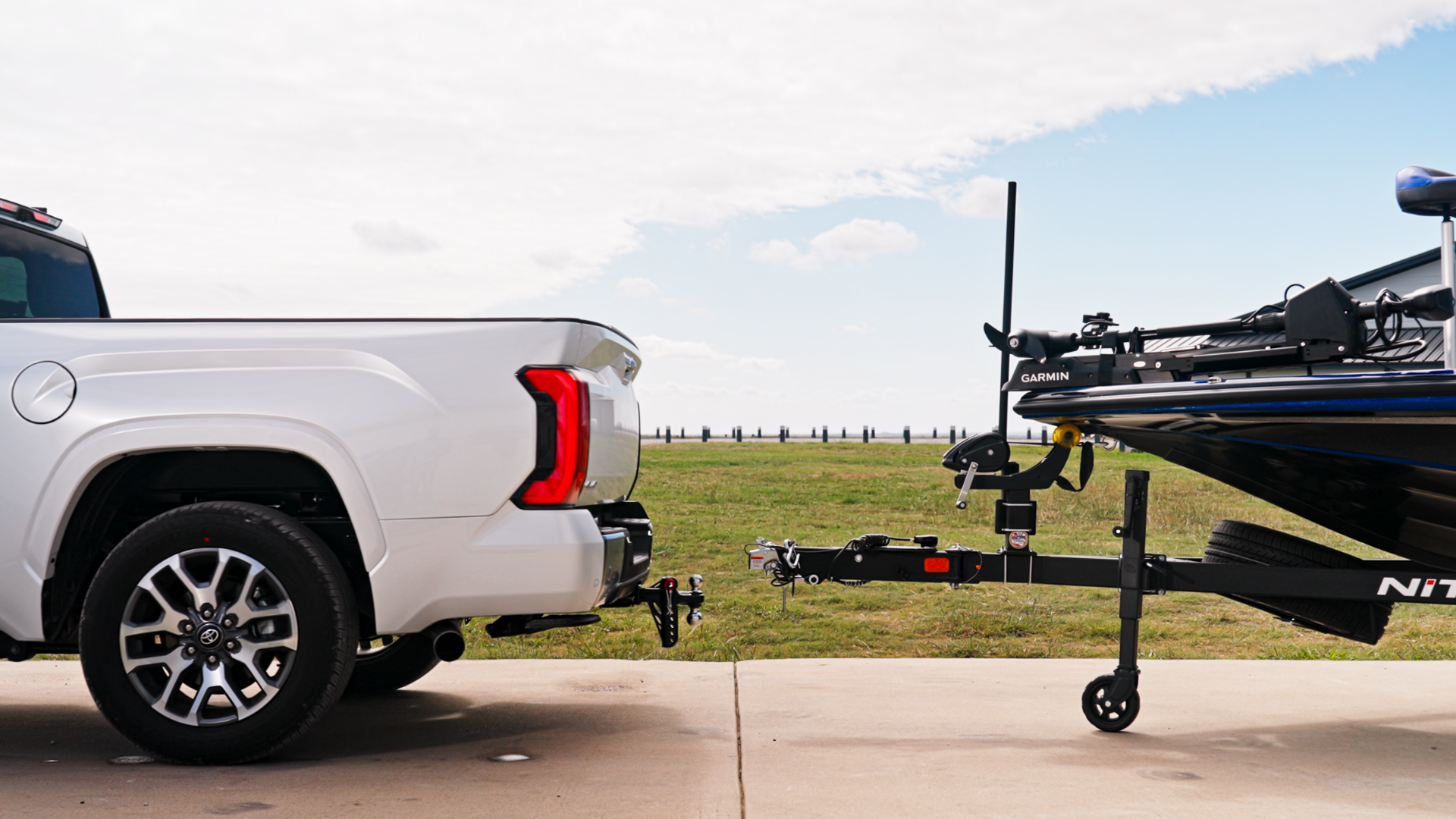
Building the Trailer Backup Guide
Toyota Motor North America's Integrated Vehicle Systems (“IVS”) team developed the trailer safety and towing-support features in TSS 4.0. For these features to work as intended, the multimedia system and ADAS ECU must exchange and interpret trailer profile information.
Drivers can save and update details about their trailer, such as its size and type, through the Trailer Garage menu on the multimedia screen. That information then needs to reach the ADAS ECU, the control center for the driver assistance features, so the vehicle can adapt to the specific trailer being towed.
Validating this exchange traditionally required physical test rigs built from vehicle parts. These rigs are in high demand across development teams, and reconfiguring them can take several weeks each time the software changes, slowing how quickly new features can be tested, improved and launched.
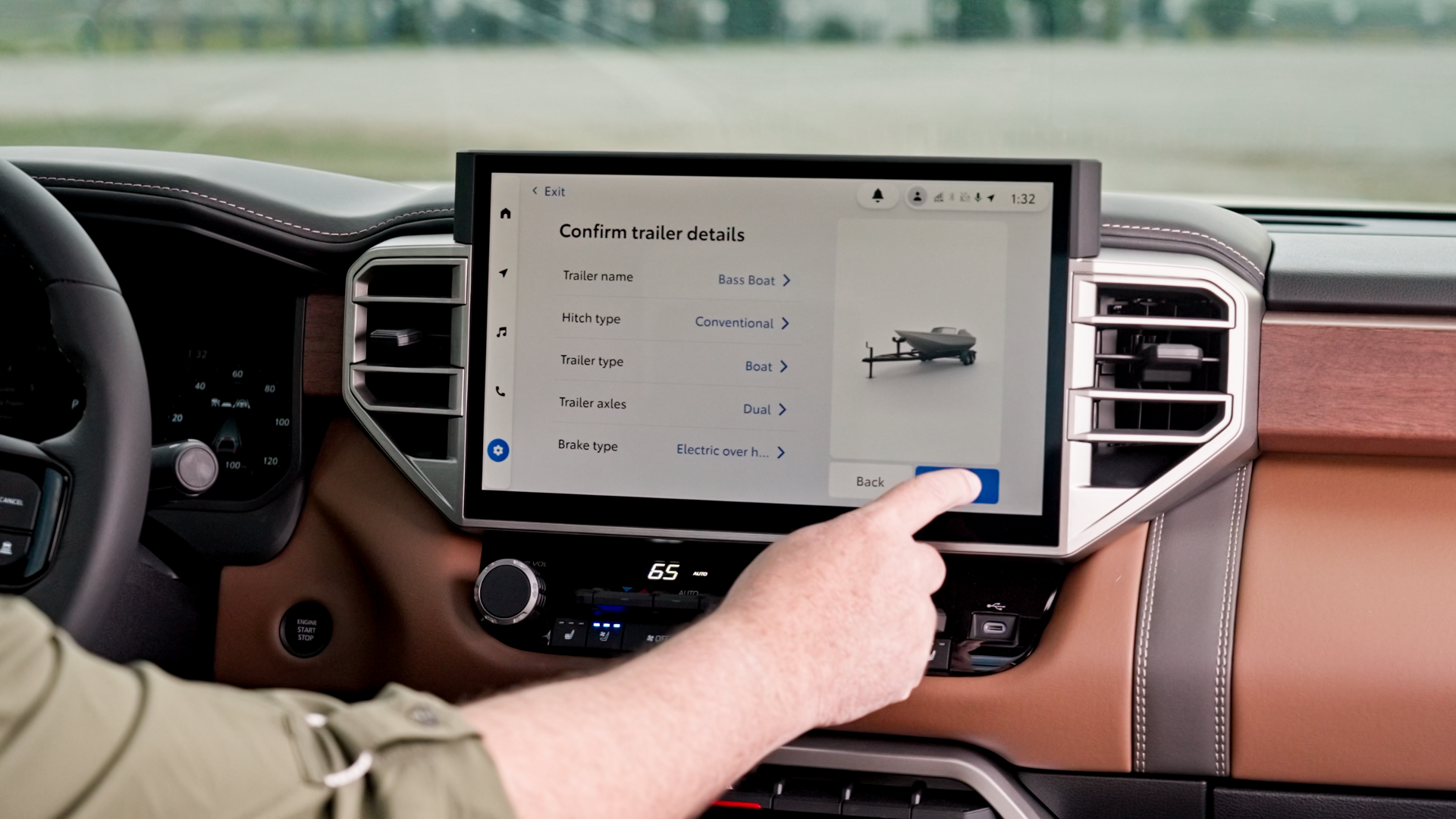
To address this, WbyT and TMNA IVS collaborated on software-in-the-loop testing using Arene’s simulation environment. The team recreated the same system-level integration tests it had previously run on physical rigs, using production software in a simulated hardware environment.
This enabled integration testing to begin approximately six months earlier. Without the limits of physical rigs, WbyT and IVS engineers could run tests automatically and as often as needed, achieving higher throughput. Each test verified that trailer information passed correctly between the two systems and that new software updates did not affect features already working.
The teams also tested hundreds of system-level scenarios across a range of trailer types, covering different trailer characteristics and the sequences for detecting and attaching a trailer, which helped them quickly pinpoint areas for improvement. As a result, the TBG software reached the first prototypes already refined through extensive virtual testing.
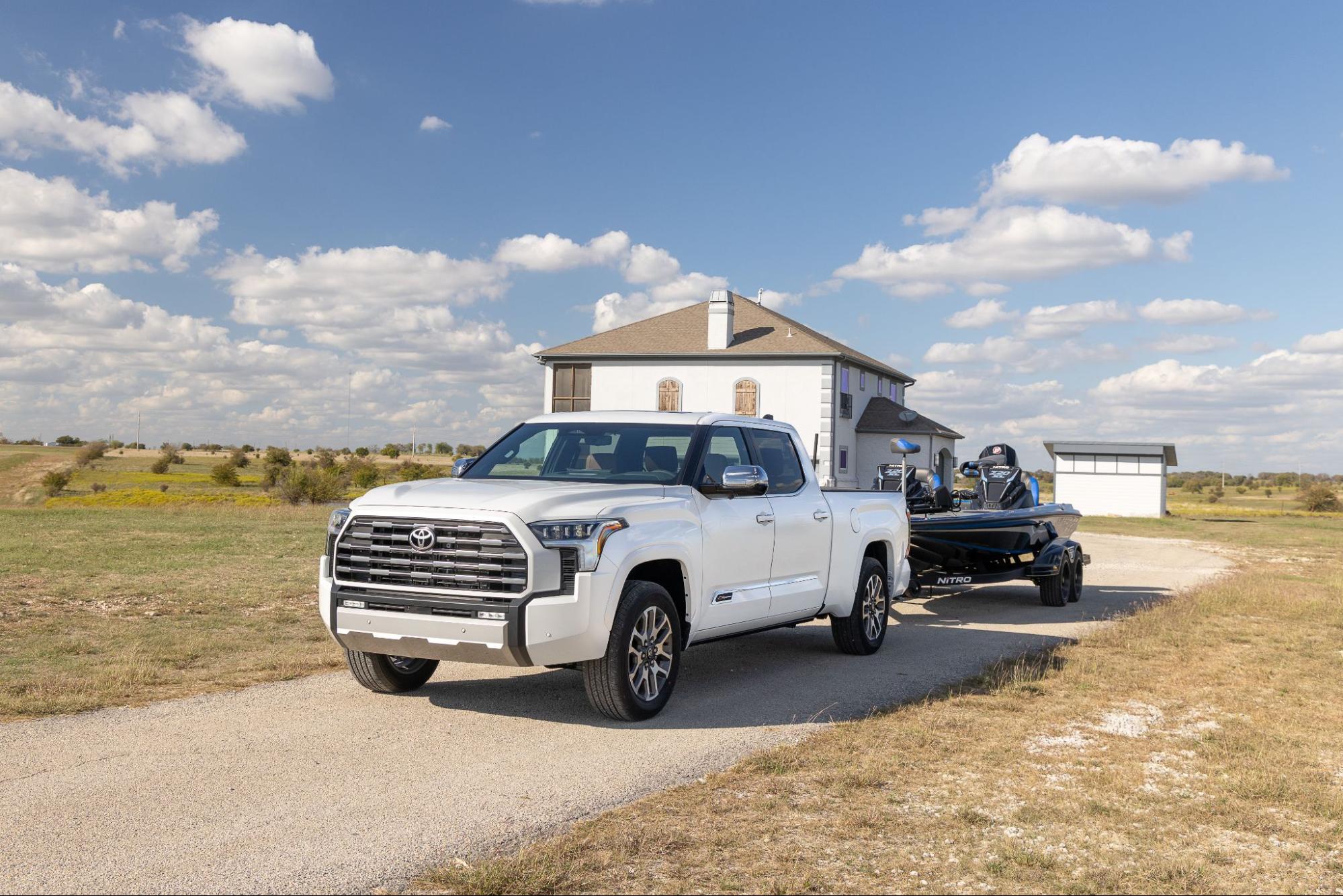
"Trust in a vehicle starts long before it reaches the road. Arene lets engineers validate software virtually, as quickly as it changes, without waiting for physical hardware. That's how we help Toyota build software customers can have confidence in." — Jennifer Hodges, Director of Applied Engineering, Arene.
What comes next
With each new model, Arene is becoming an integral part of how Toyota develops its vehicles. Toyota plans to expand Arene from its current deployments to approximately 50 models and 10 million vehicles worldwide by 2030. Each deployment brings Toyota closer to fully software-defined vehicles and to its long-term goal of a future with zero traffic accidents.
For more information, see Toyota's announcements on the 2027 Sequoia here and the 2027 Tundra here.
For more information on Arene, visit woven.toyota/en/technology/arene.
Frequently Asked Questions: Arene and Trailer Backup Guide
What is the Trailer Backup Guide (“TBG”) on the 2027 Toyota Tundra and Sequoia?
TBG is a Toyota towing-support feature that uses the multimedia display and driver-assistance software to help drivers manage complex trailer-backing maneuvers. It provides dynamic on-screen guidelines, a slider interface and semi-automated steering support while monitoring for potential jackknife risks.
How did WbyT use Arene to develop TBG for the 2027 Toyota Tundra and Sequoia?
Woven by Toyota and Toyota Motor North America’s Integrated Vehicle Systems team used Arene for cross-domain software-in-the-loop testing between the multimedia system and the ADAS ECU, primarily for the Trailer Garage menu. This allowed engineers to test whether the systems exchanged and interpreted trailer-profile information consistently before the necessary multimedia hardware and vehicle were available.
What is Arene software-in-the-loop testing?
Software-in-the-loop testing allows engineers to run production software while simulating the hardware it would normally run on. In this case, Arene simulated the environments for the multimedia system and ADAS ECU. The two software stacks could then communicate over a virtual vehicle network and be validated as an integrated system before the physical hardware was available.
How did Arene help improve Trailer Backup Guide development for Toyota?
Arene allowed testing to begin roughly six months earlier, although that timing is an estimate. By identifying issues before vehicle hardware was available, Woven by Toyota and TMNA IVS could improve software quality on initial prototype vehicles and free valuable prototype-vehicle testing time for larger, more complex issues.