





Beyond moving from A to B
Mobility has long been understood as the ability to transport people and goods from one place to another. From getting to work, to delivering what’s needed, to closing the distance between friends and family. That definition still matters. Movement, especially in vehicles, continues to make people’s day-to-day lives possible. But the world today is changing. Life is increasingly shaped by digital systems. Societies are becoming more diverse. Expectations for safety, accessibility and experience continue to rise. In this context, mobility must be understood as more than transportation. It needs to account for the full range of movement that defines everyday life.
How we see the future of mobility
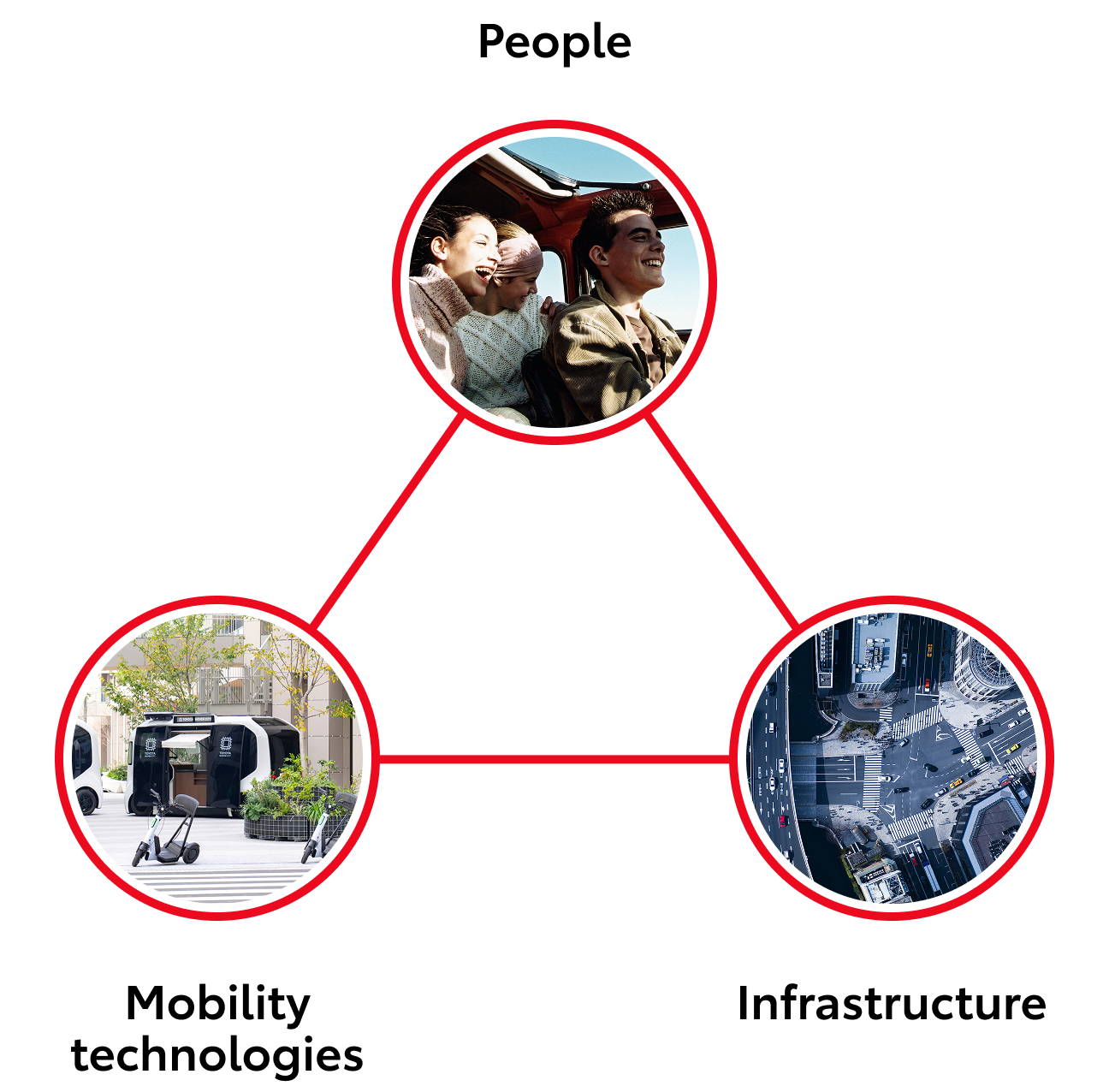
We see the future of mobility as a connected whole. A single, living system built from three essential elements: people,mobility technologies and infrastructure.
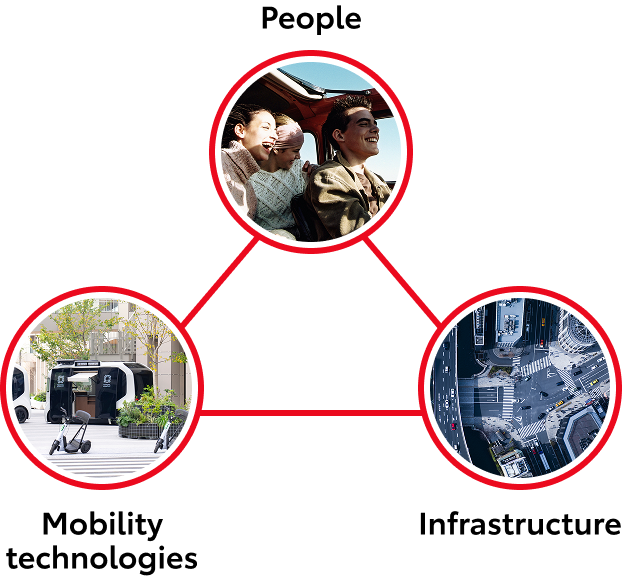
People
It begins with people’s needs, abilities, routines and aspirations.
Design should be human-centered and prioritize safety, accessibility and inclusion, reflecting the diversity of people.
Mobility Technologies
It’s brought to life through empowering technology.
Vehicles, services and emerging technologies should reduce friction, be more bespoke and help expand human potential.
Infrastructure
It depends on its physical and digital surroundings.
Roads, energy, data and other supporting infrastructure quietly define how smoothly life unfolds, and should be built from the ground up to function together. Individually, each plays a distinct part. Together, they inform and complement one another, creating more meaningful continuity across everyday experiences.
The role of the software-defined vehicle
The role of the software-defined vehicle
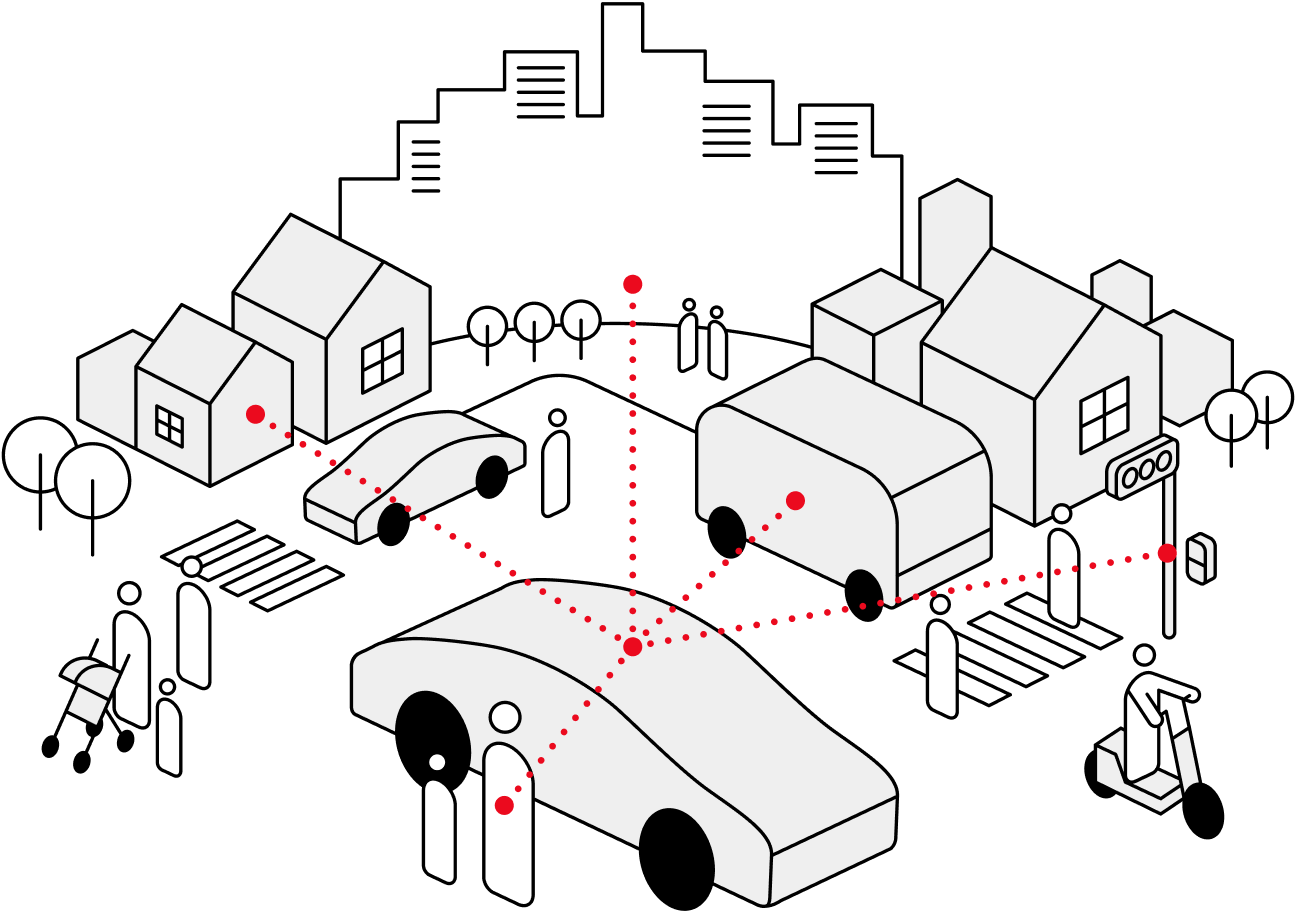
In a future where people, mobility technologies and infrastructure are deeply connected, vehicles will continue to play a vital role in people’s day to day activities and interactions. To fully support this, vehicles themselves need to evolve. Their capability, and the value they deliver to society, remains constrained by fixed architectures and fragmented software. A software-defined vehicle (SDV) addresses this limitation. With unified software across the vehicle, SDVs can evolve together with their driver and better interact with the world around them. They can improve continuously over time, adapt to different contexts, and contribute in new ways to the environments and communities they move in. In a connected future of mobility, SDVs sit at the center.
Bringing tomorrow into form
At Woven by Toyota, we’re developing foundational technologies. Through advanced engineering and close collaboration, we’re laying the groundwork for our vision of the future.

Arene
Arene
A state-of-the-art software platform that unifies and accelerates automotive software development.
Automated driving
Automated driving
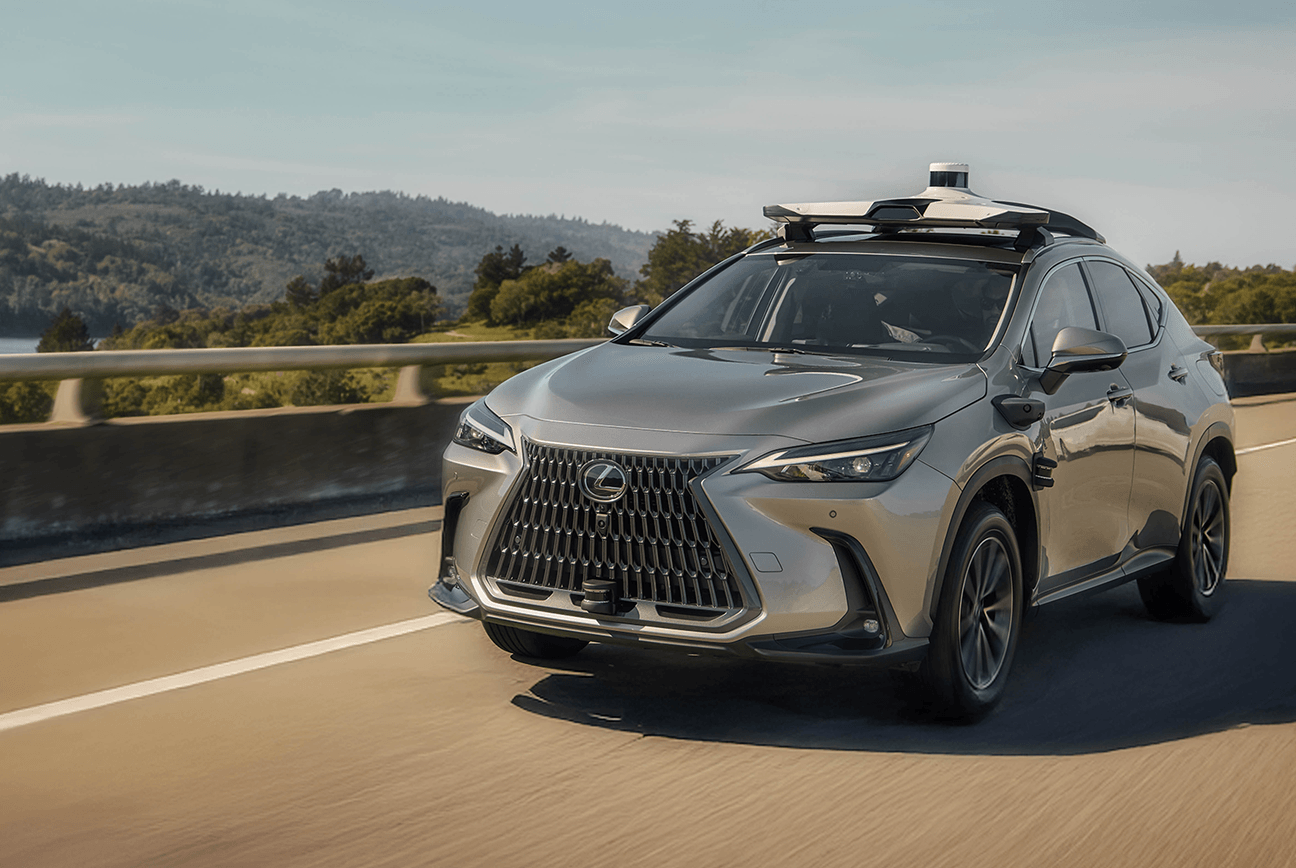
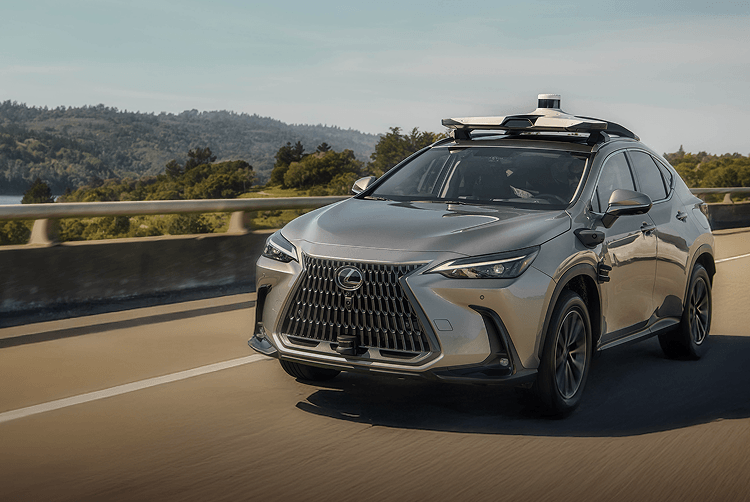
An advanced, data-driven automated and assisted driving solution for peace of mind on the road.
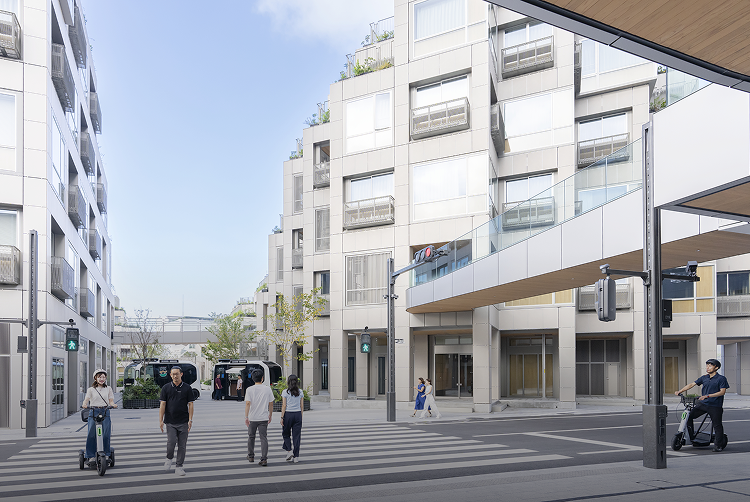
Woven City
Woven City
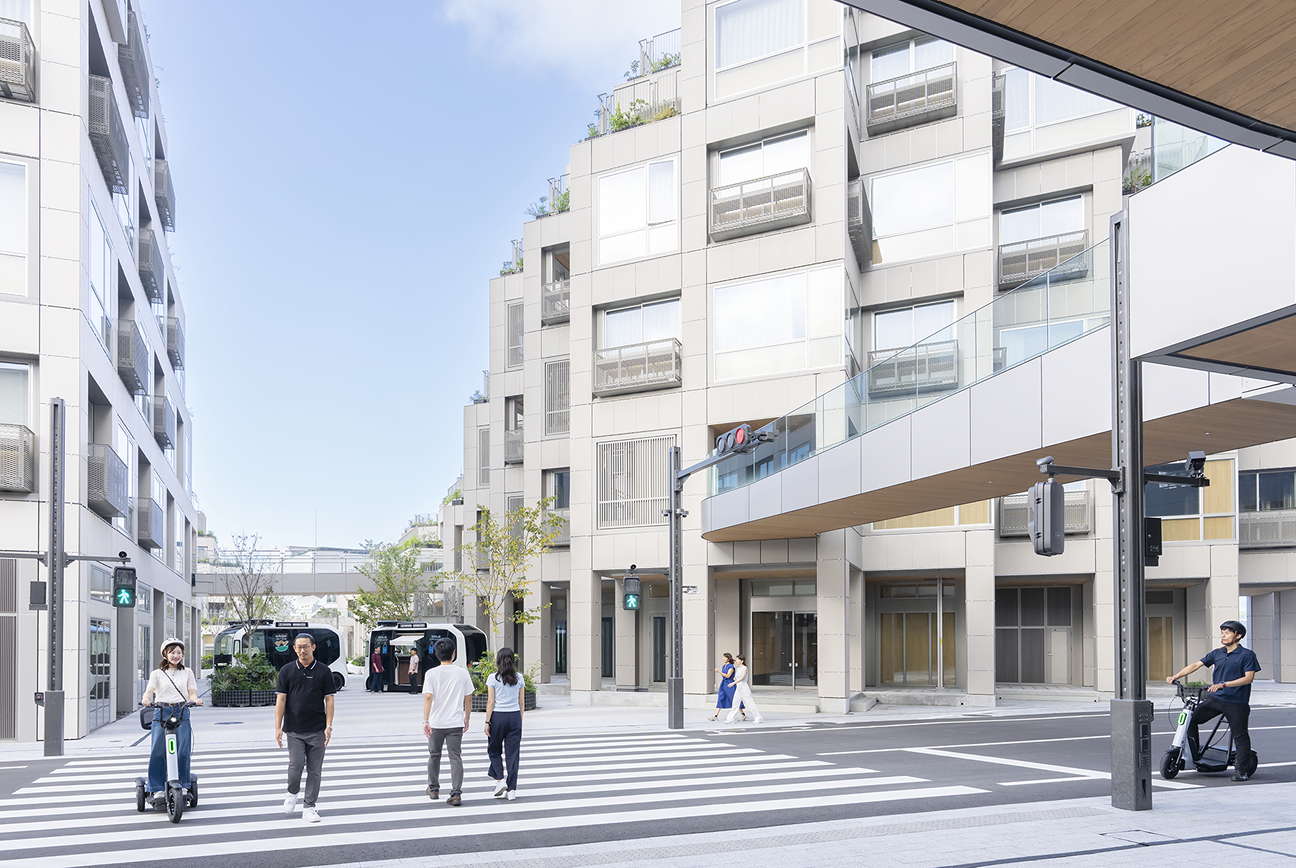
A test course for mobility where Weavers and Inventors co-create new mobility products and services.

Cloud & AI
Cloud & AI
A common cloud and AI foundation for cross-company collaboration.

A future with people at the heart
Moving forward requires thoughtful innovation and the courage to challenge established approaches, with people’s well-being in focus throughout.